
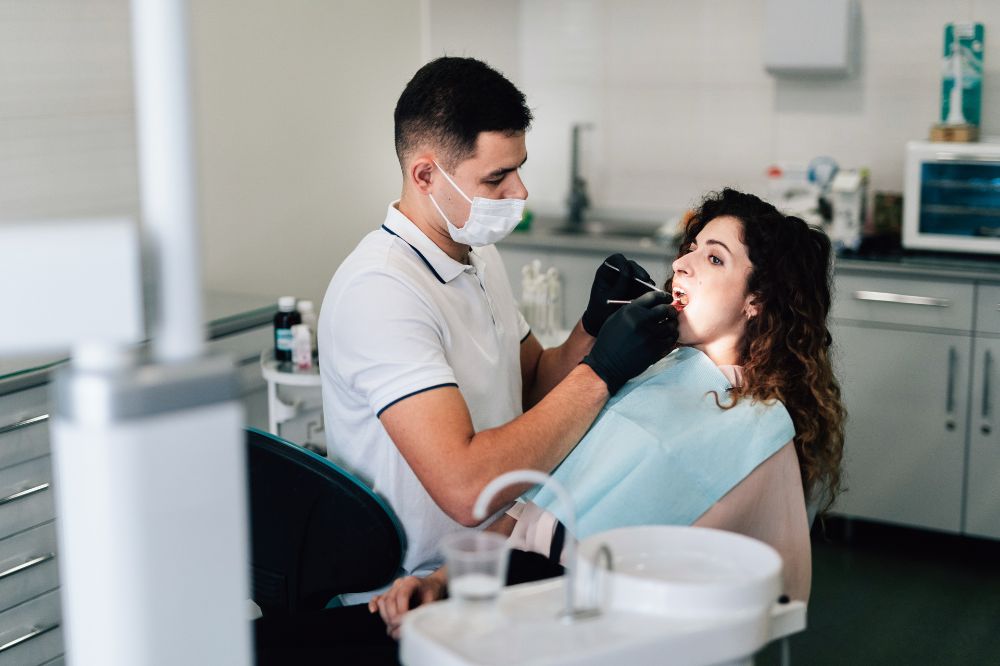
Most people feel a little nervous when they hear they need a special procedure to save a tooth. If you are looking for a trusted dentist in Georgetown, you might have questions about what happens during this type of appointment. There are many scary stories out there, but modern dental care is much more advanced than it used to be. Instead of being something to fear, this treatment is actually the ideal way to stop a toothache and keep your natural smile from being lost forever.
Why Do People Think This Procedure Is Scary?
Many people feel nervous because they have heard negative stories about root canal treatment. Because of that, they often ask, how painful is a root canal procedure? In most cases, the treatment itself is not what causes pain. The real pain usually comes from the infection inside the tooth before treatment begins. Before starting, the dentist uses numbing medicine so the area feels comfortable during the procedure. For most patients, it feels similar to getting a regular dental filling.
How Root Canal Therapy Heals Your Smile
When the soft center of your tooth, called the pulp, gets infected by germs, it can cause a lot of pressure and throbbing. Choosing root canal therapy near you means you are opting to clean out that infection instead of just pulling the tooth out. The professional carefully removes the sick tissue, cleans the inside of the tooth, and then seals it up with a rubber-like material. Such treatment stops the germs from coming back and allows the bone around your tooth to heal properly.
Is the Recovery Process Very Difficult?
Once the numbing wears off, your jaw might feel a little bit tender or “bruised” for a day or two. This is a normal part of the healing process as your body reacts to the infection being gone. Most students and adults find that they can go back to their normal activities almost immediately. You have to be careful not to chew on that specific tooth until the final protective cover, usually a crown, is placed on top.
- Soft Foods: Stick to smoothies or soup for the first 24 hours.
- Ice Packs: Using a cold compress can help if your cheek feels slightly puffy.
- Rest: Giving your body a few hours to relax helps the healing move faster.
- Cleaning: Continue to brush gently around the area to keep it free of food bits.
How Does This Treatment Save Your Natural Smile?
Keeping your original teeth is always the ideal goal for your health. When you keep your natural tooth, your jawbone stays strong, and your other teeth don’t start to shift into empty gaps. This procedure allows you to keep the root of your tooth in place, which maintains the natural shape of your face. It is much easier and often less expensive to save a tooth than it is to replace a missing one with an artificial version later on.
What Are the Biggest Myths About This Fix?
There is a lot of misinformation online that can make people hesitate to get help. Let’s look at the facts versus the fiction:
- Myth: It causes illness in the rest of the body.
Fact: There is no scientific evidence for this; saving a tooth actually removes dangerous bacteria from your system.
- Myth: It’s better to pull the tooth.
Fact: Pulling a tooth can cause problems with chewing and speaking; keeping your tooth is much better for your long-term health.
- Myth: The procedure takes many hours.
Fact: Most of these treatments can be finished in one or two visits, usually lasting about an hour each.
How Can You Tell if You Need This Treatment?
Your body is very good at sending signals when something is wrong inside a tooth. If you notice a pimple-like bump on your gums or if a tooth turns a darker color than the ones next to it, visiting a dentist near you for an exam is the best next step. Also, if you feel a sharp pain when you eat something very cold or hot that lasts for a long time after you finish, it could be a sign that the nerve is struggling. Catching these signs early makes the repair much easier and more comfortable.
What Happens if You Wait Too Long?
Ignoring a toothache won’t make the infection go away. If the bacteria stay inside the tooth, the infection can spread to your jawbone or even to other parts of your face. That problem can lead to a lot of swelling and much more intense pain. By taking action quickly, you prevent the problem from getting bigger and ensure that the treatment remains a simple and painless experience.
Experience Stress‑Free Dentistry With Us
At Nova Dental Studio, we focus on making sure every patient feels relaxed and informed. Our team uses the latest technology to ensure your visits are quick and completely comfortable. We understand that your smile is important to you, and we work hard to provide gentle care that helps you stay healthy. Whether you have a small concern or a tooth that has been bothering you for a while, we are here to provide the support and expert help you need.
Schedule your visit today to protect your smile and stay pain-free.
Frequently Asked Questions
How long will the fixed tooth last?
If you brush and floss regularly and get a crown put on top, a tooth that has had this treatment can last for the rest of your life. It is a very durable and permanent solution.
Can I drive myself home after the appointment?
Yes! Since only local numbing is usually used, you will be fully awake and alert. Your mouth will be numb for a few hours, but you can go about your day normally.
Why does my tooth still hurt if the nerve is gone?
Even though the nerve inside the tooth is gone, the tissues and ligaments around the tooth are still healing. A little soreness is normal — it’s just your body fixing the area after the infection has been cleaned out.